Choosing the Right Countertop: Marble, Granite, or Quartzite?
Beginning the Search
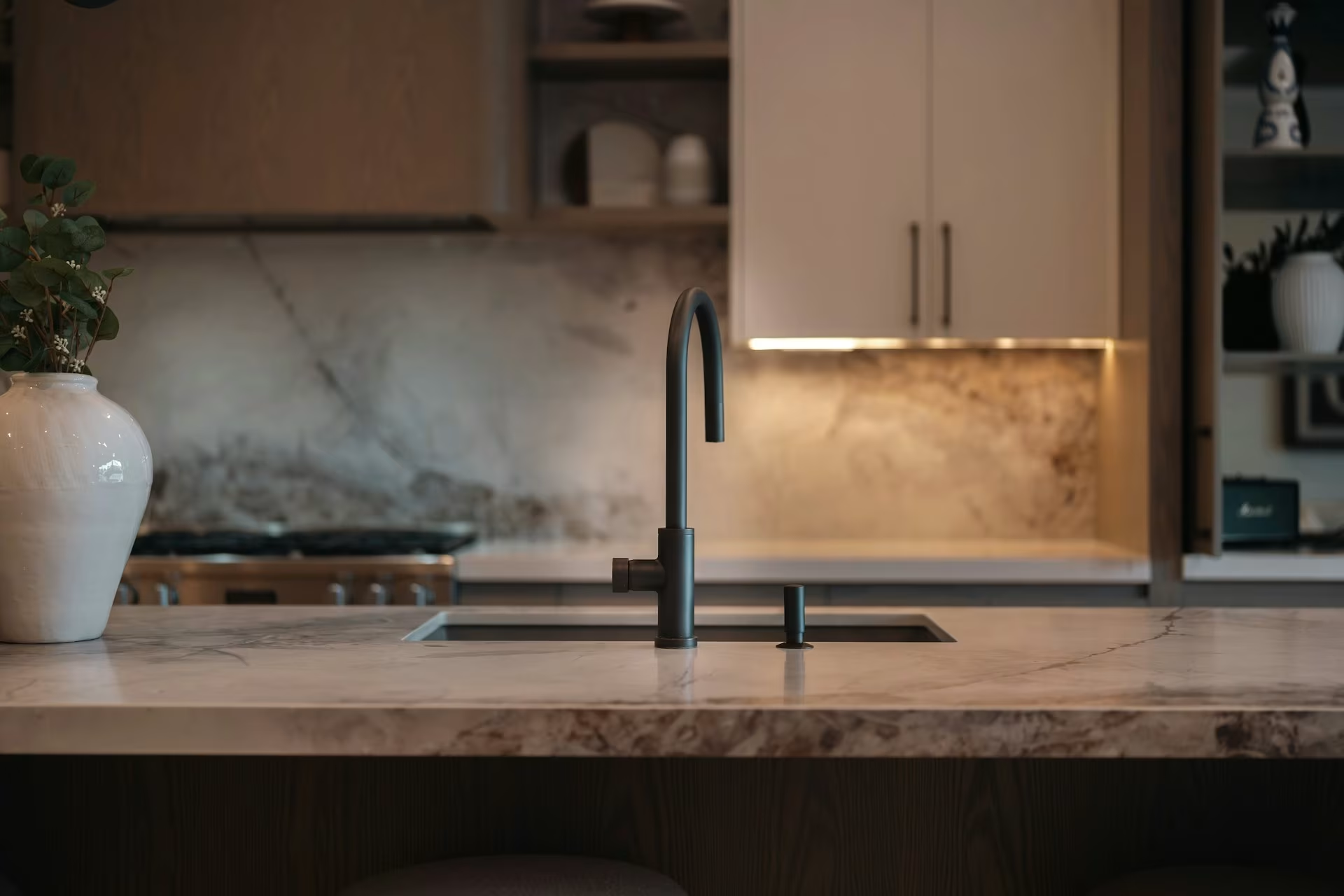
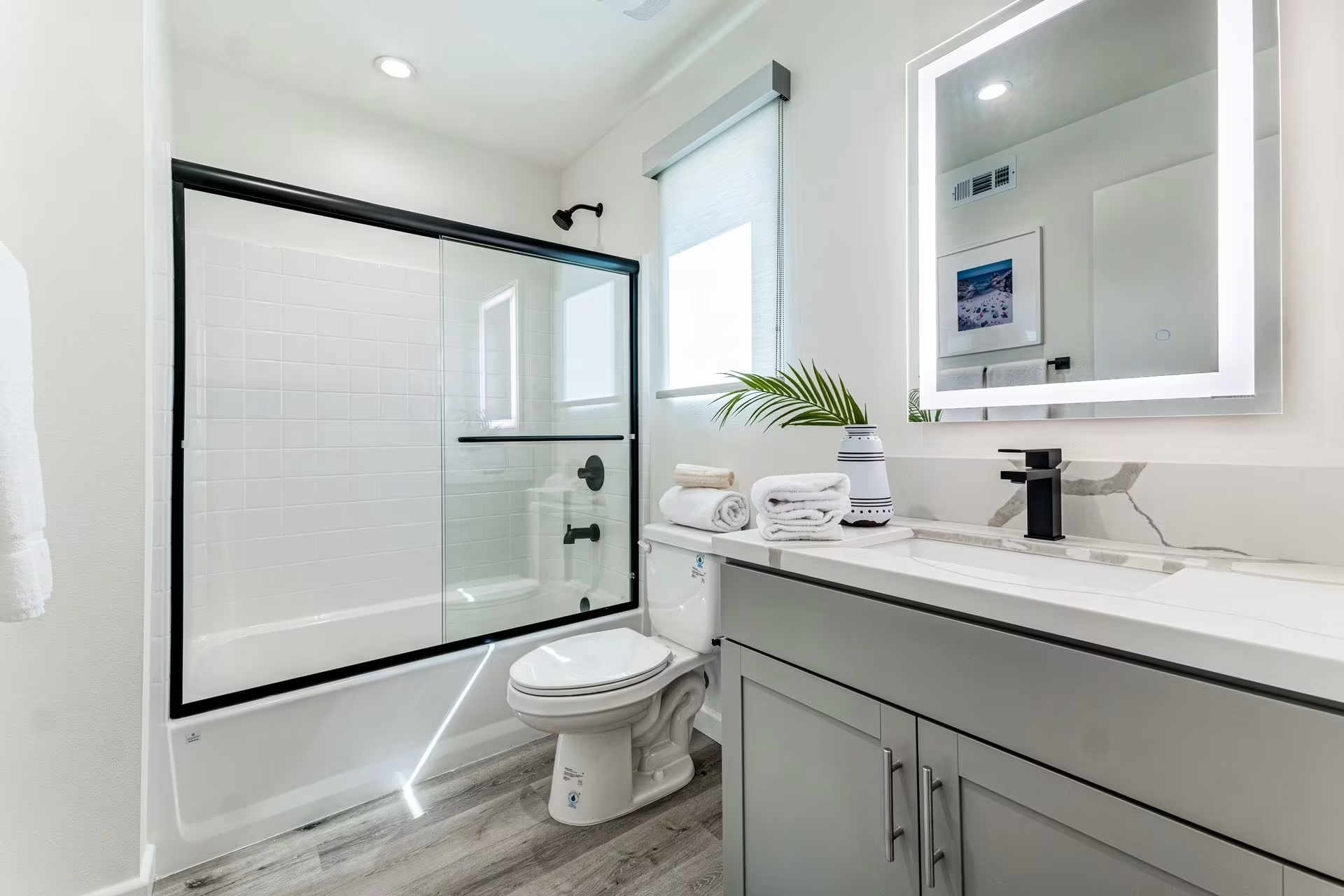
When choosing a countertop for a kitchen, bathroom vanity, or even a backsplash, the material you choose affects much more than appearance. Different surfaces vary in durability, stain resistance, maintenance, sealing requirements, and how they age over time. Some materials are highly resistant to everyday spills and require very little maintenance, while others develop a distinctive appearance with age but require more care. Whether you’re selecting a kitchen countertop, vanity top, or stone backsplash, understanding these differences can help you choose a material that fits the way the space will actually be used.
Marble & Granite
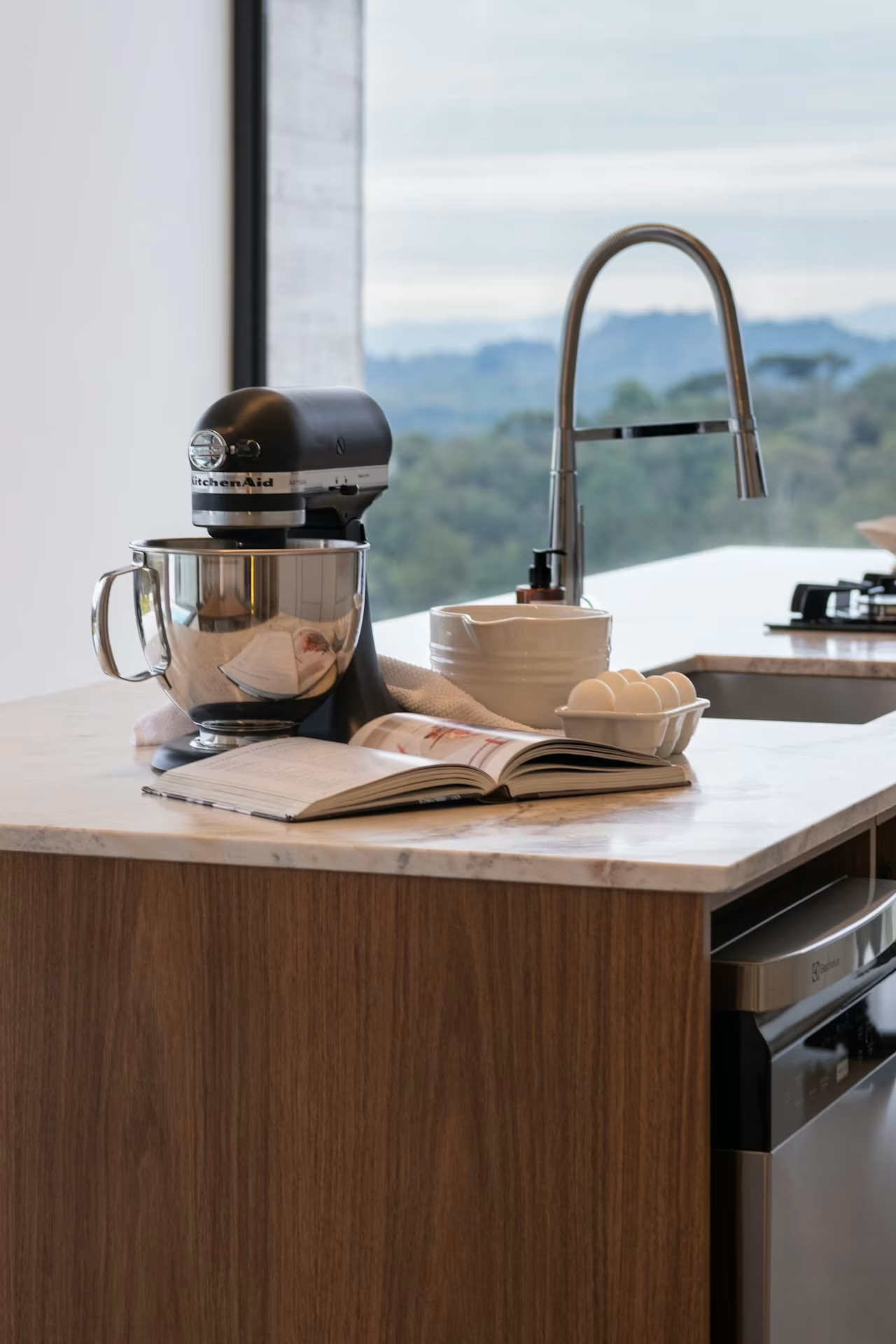
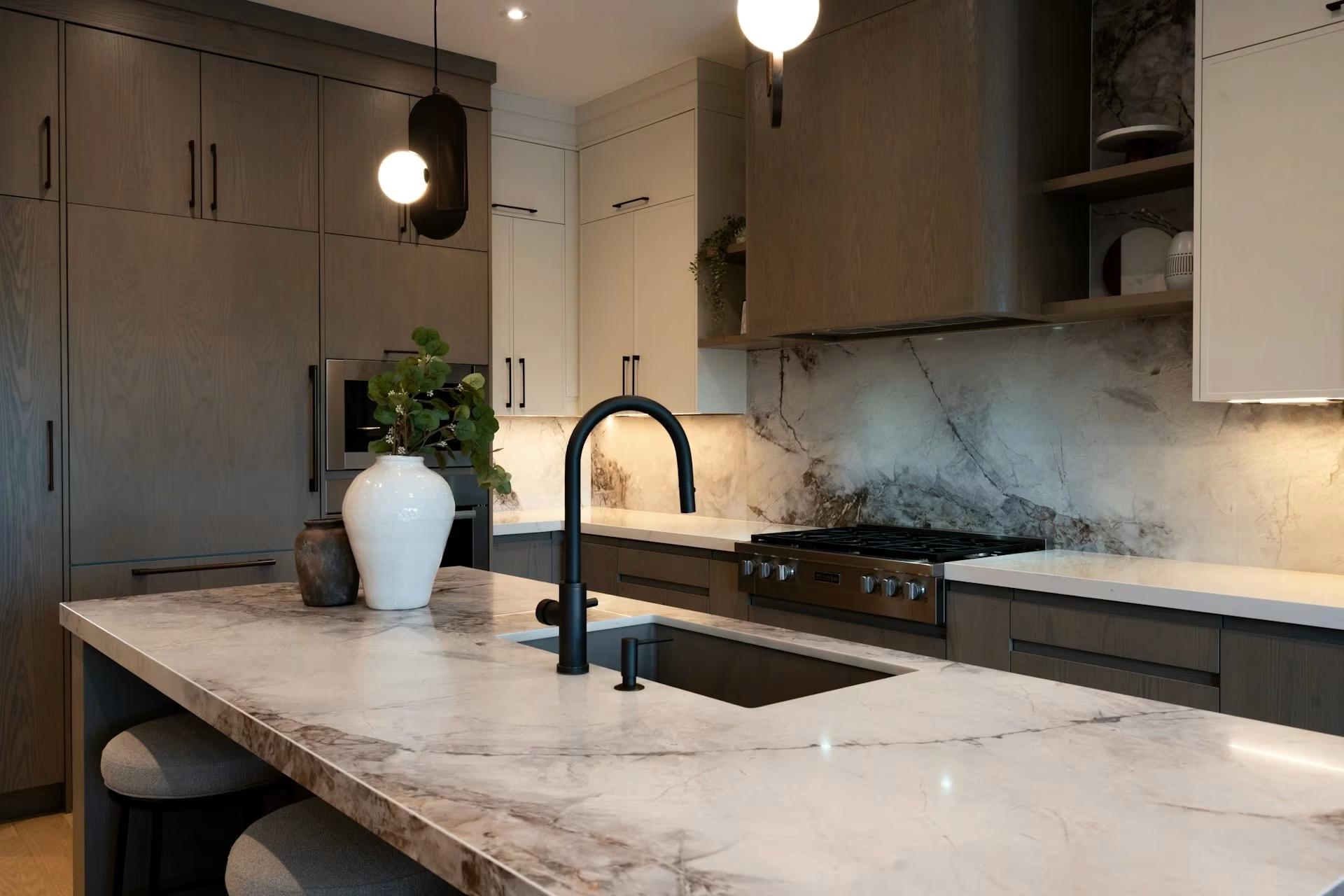
Marble and granite are two of the most recognizable natural-stone countertop materials, but they behave quite differently. Granite is generally very durable and resistant to everyday wear, making it a popular choice for high-use kitchens. Because it is a natural stone, however, granite is porous to varying degrees and typically benefits from periodic sealing to reduce the chance of staining. Marble has a softer and more porous surface and is particularly susceptible to staining and etching. Acidic substances such as lemon juice, vinegar, or some cleaners can leave dull marks on marble even when it has been properly sealed. That doesn’t necessarily make marble a bad countertop material—it simply means that its natural characteristics need to be considered. Both materials can also be used for bathroom vanity tops and backsplashes, where their appearance can be just as important as their performance.
Quartz vs. Quartzite
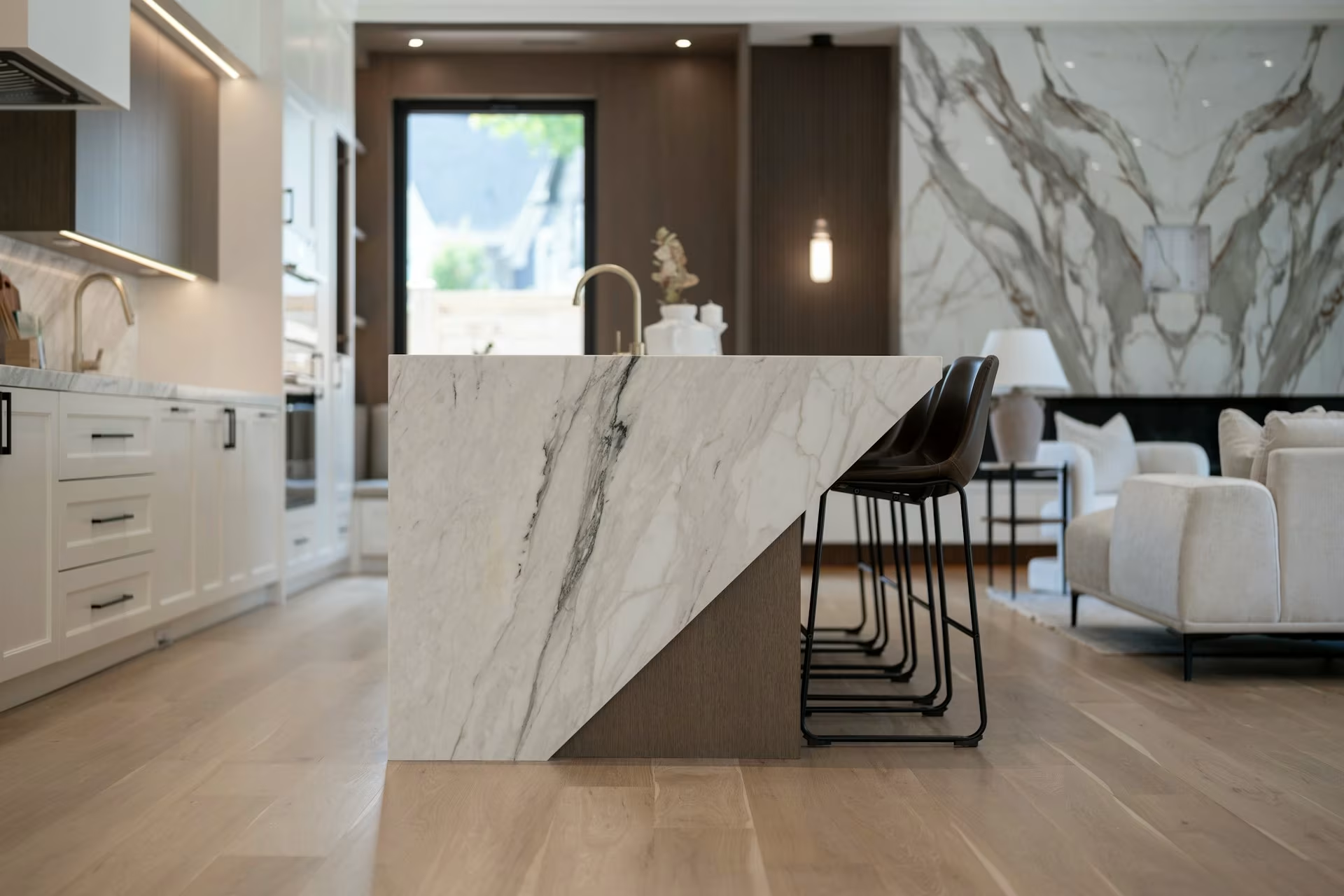
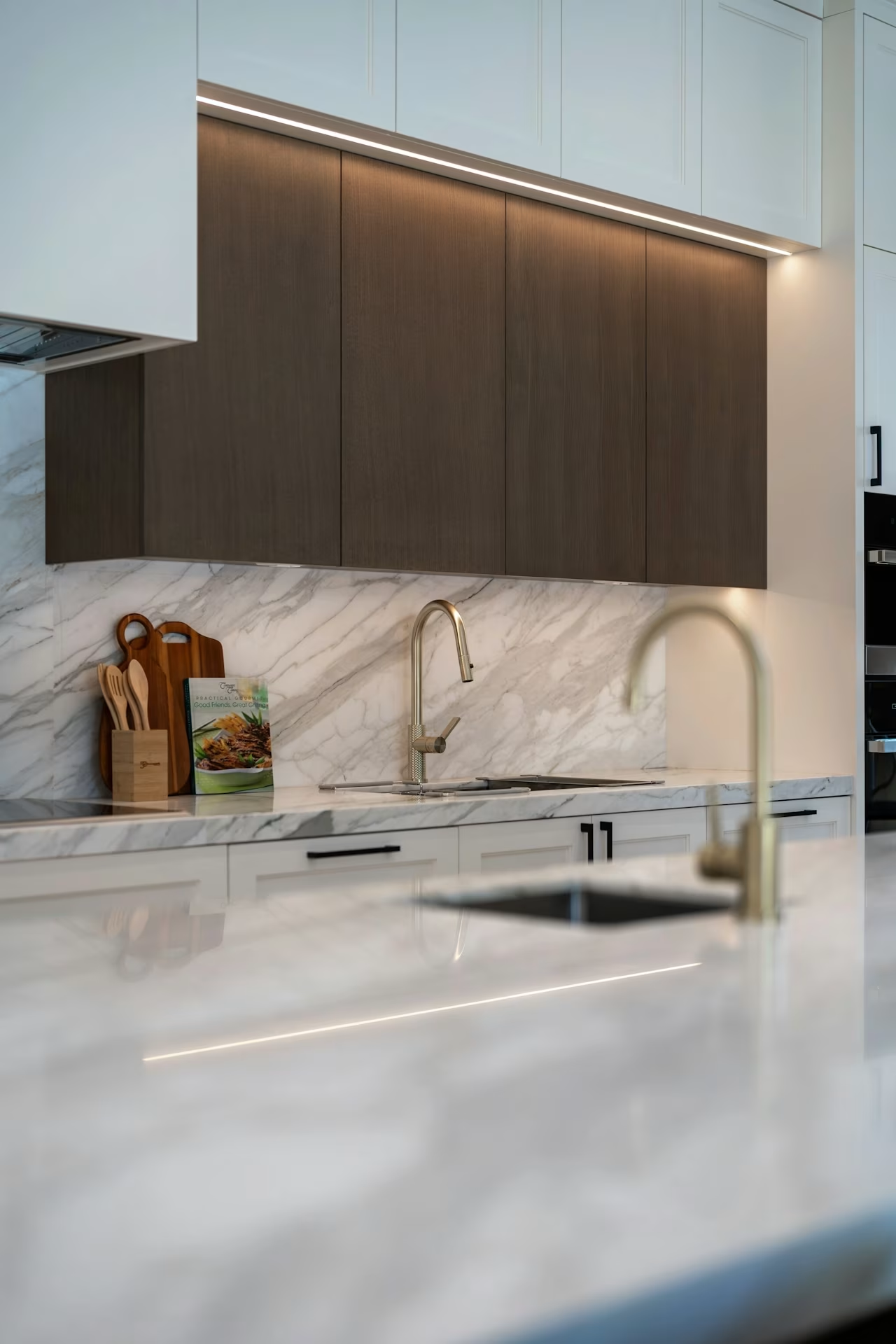
Despite their similar names, quartz and quartzite are very different materials. Quartz countertops are an engineered surface made using natural quartz combined with resins and other materials. They are highly resistant to everyday staining and do not require sealing, which makes them particularly appealing to homeowners who want a lower-maintenance countertop. Quartzite, on the other hand, is a natural stone formed from sandstone under heat and pressure. It is extremely hard and can provide the look of natural stone while offering excellent durability, but it is still a porous natural material and typically requires sealing. Quartz also tends to have a more consistent appearance because it is manufactured, while quartzite has the natural variation, veining, and color differences that come with quarried stone. The choice between the two often comes down to whether you prioritize low maintenance and consistency or the natural appearance and character of stone.
Soapstone, Dekton, and Other Specialty Options
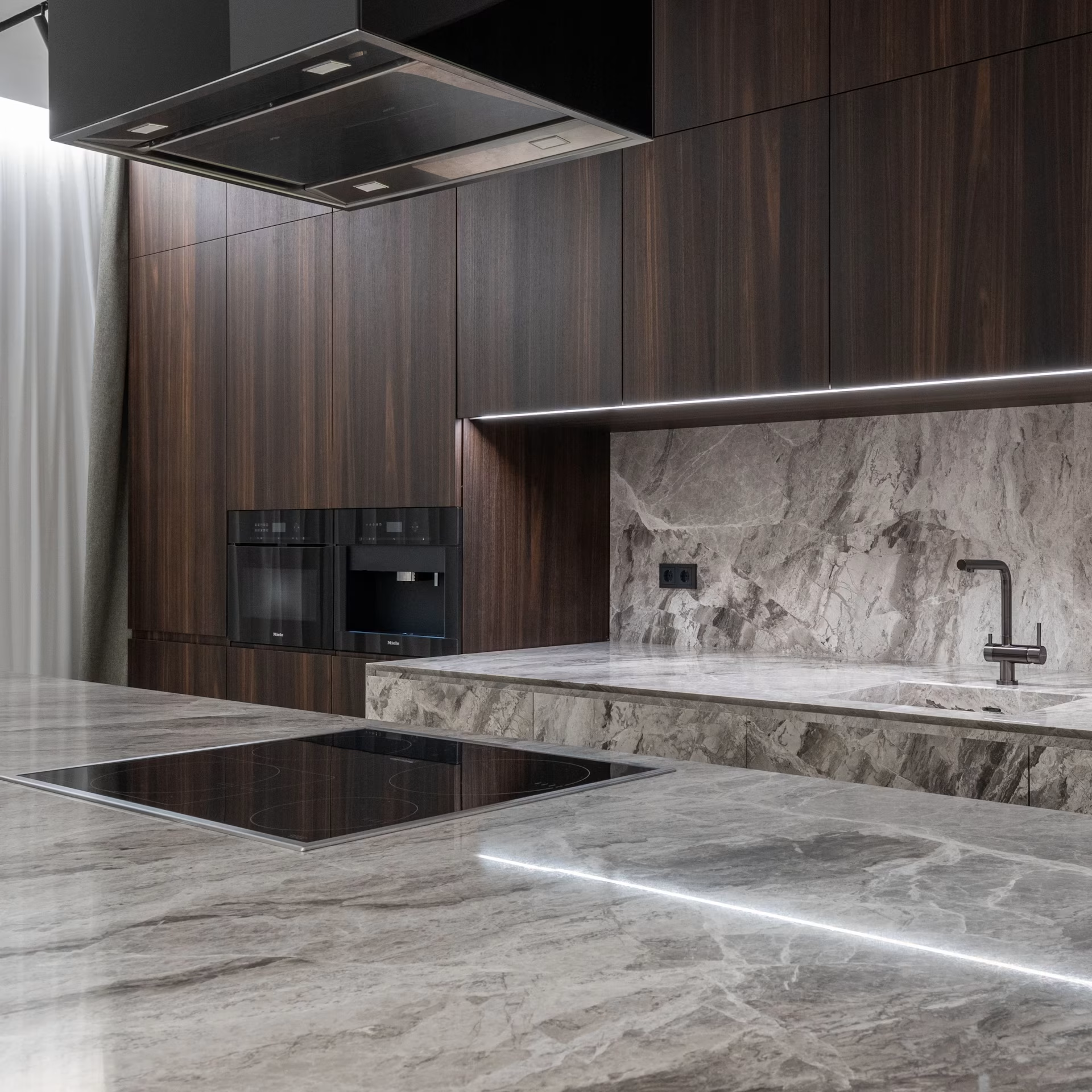
There are also countertop materials that don’t fit neatly into the four most common choices. Soapstone is a natural stone with a distinctive soft, matte appearance. Unlike many other natural stones, soapstone is naturally nonporous and does not require sealing, although it is softer and can scratch more easily. Those scratches can become part of the material’s patina over time, which some homeowners appreciate and others may not. Dekton is another very different option. Rather than being a natural stone, Dekton is an ultra-compact manufactured surface designed to be highly resistant to stains, scratches, heat, and everyday wear. It also does not require sealing. Other specialty materials, including porcelain, solid surface, concrete, and other engineered surfaces, can also be used for countertops depending on the project. These less-common options can be worth considering when the standard choices don’t provide the combination of appearance and performance you’re looking for.
Which Countertop is Best for You?
Ultimately, there is no single countertop material that is best for every project. Quartz is a strong choice for someone who wants a low-maintenance surface without sealing, while granite and quartzite offer the natural variation and durability of stone with some additional maintenance. Marble provides a distinctive appearance but requires more care, particularly because of its susceptibility to etching and staining. Specialty materials such as soapstone and Dekton offer their own unique combinations of appearance, durability, and maintenance requirements. The same considerations apply when choosing a vanity top or backsplash: instead of choosing a material based solely on how it looks, consider how it will be used, how much maintenance you’re willing to perform, and how you want the material to age over time.

About the Author
Sōs Design Studio is an interior design firm specializing in residential kitchens, bathrooms, and commercial spaces. Alongside project work, the studio creates practical guides, tutorials, and digital tools to help both homeowners and fellow designers navigate the design process with clarity and confidence.
Popular Articles

Useful Links
Search the website
More to explore
Curious about what a custom design could look like for your home?
From in-person consultations in Pittsburgh to nationwide virtual e-design services, we help homeowners and businesses transform blank slates into beautiful and functional, tailored spaces built around your budget.