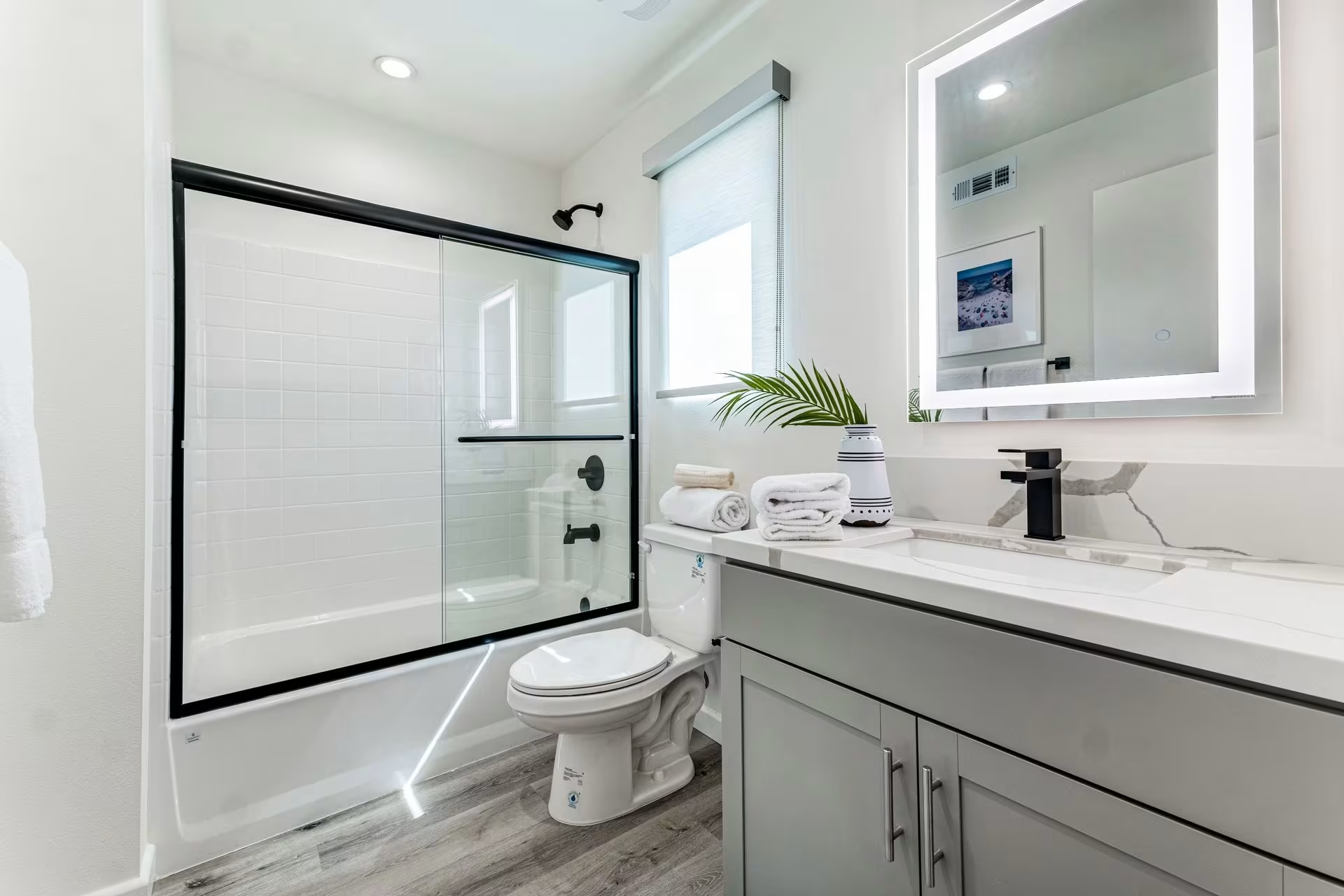
How Loud are your Appliances? Sones Rating Levels Explained
From Soft Whispers to Airplane Engines
If you have ever shopped for a bathroom exhaust fan or kitchen range hood, you have likely bumped into a mysterious acoustic rating called a Sone.While most people have a vague idea of how decibels ($\text{dB}$) work, sones are the ventilation and home design industry’s secret weapon for measuring human-perceived sound. Unlike decibels, which follow a logarithmic scale that can be tricky to conceptualize, the sone scale is linear: 2 sones feels twice as loud as 1 sone, and 4 sones feels twice as loud as 2 sones. To help you design a space that sounds as serene as it looks, here is a breakdown of what sone ratings actually mean in the real world—and how common household appliances stack up.
| Sone Rating | Perceived Loudness | Real-World Sound Comparison | Equivalent Noise Level |
|---|---|---|---|
| 0.3 – 0.5 Sones | Virtually Silent | Soft human breathing, rustling leaves, a quiet recording studio | ~20 – 25 dBA |
| 1.0 Sone | Quiet Hum | Gentle hum of a modern refrigerator, a quiet library corner | ~28 – 40 dBA |
| 2.0 Sones | Subtle Background | Soft breeze through trees, light rainfall outside, a quiet office setting | ~48 dBA |
| 3.0 Sones | Audible / Moderate | Face-to-face soft conversation, comfortable background TV volume | ~52 dBA |
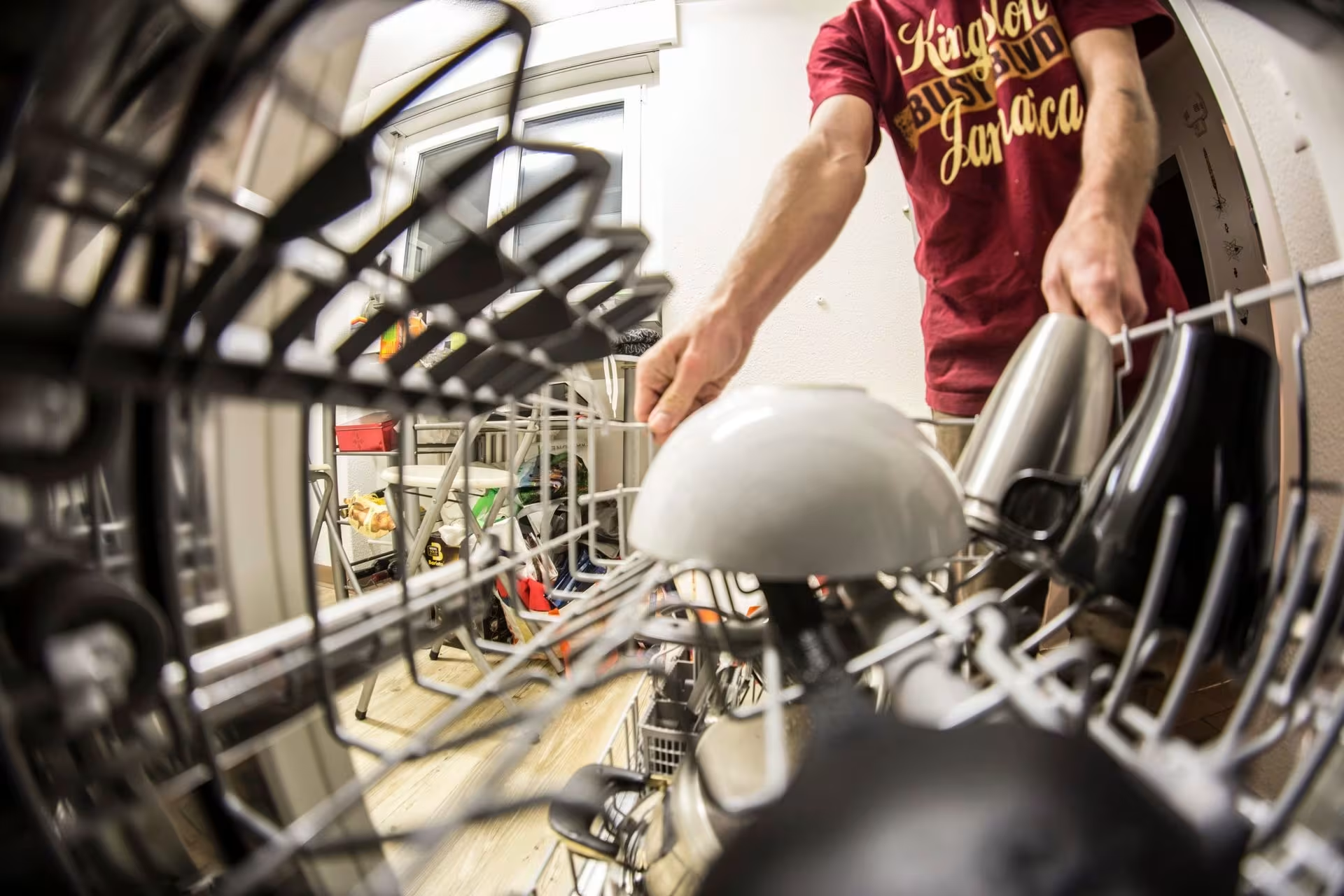
| 4.0 Sones | Direct Sound | Normal speaking voice, an average dishwasher running nearby | ~56 dBA |
| 5.0 Sones | Loud / Intrusive | Active coffee shop chatter, background diner noise | ~60 dBA |
| 6.0 – 7.0 Sones | Very Loud | Passing street traffic, high-power range hood on turbo boost | ~64 – 66 dBA |
| 8.0+ Sones | Roaring | Congested city traffic, vintage builder-grade bath fan shaking drywall | ~68+ dBA |
1. Bathroom Exhaust Fans
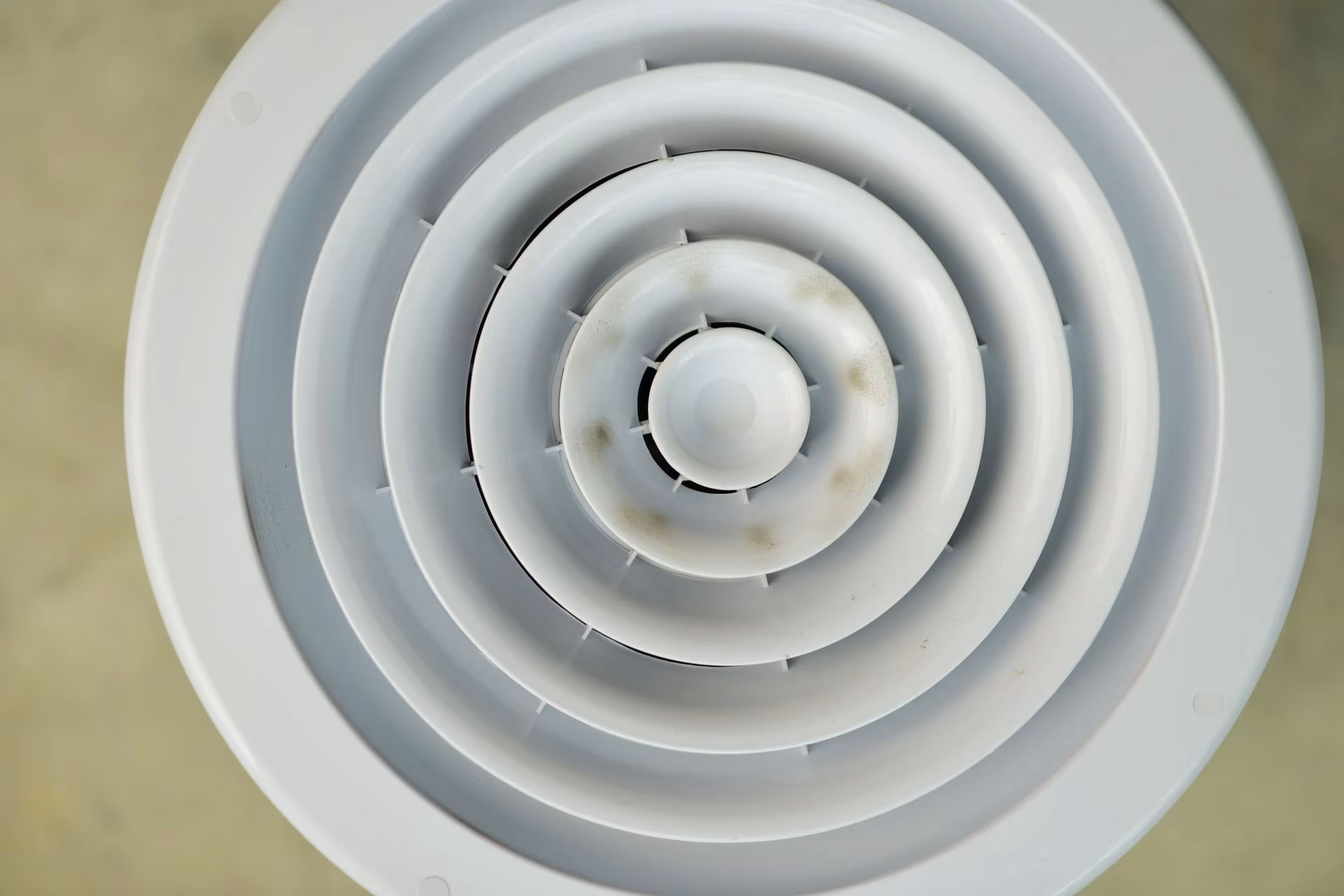
Ultra-Quiet (0.3 – 0.8 Sones): Premium modern exhaust fans operate in this range. At 0.3 sones, you will literally have to look at the LED indicator light to know if the fan is actually running.Standard Modern (1.0 – 2.0 Sones): A quiet, pleasant air movement hum. Ideal for primary bathrooms where you want moisture removal without ruining a relaxing bath. Builder-Grade / Vintage (3.5 – 5.0+ Sones): The contractor special. Sounds like a small jet engine revving up in your ceiling—great for hiding embarrassing sounds, but terrible for peace of mind.
Older builder-grade fans can hit 4.0+ sones
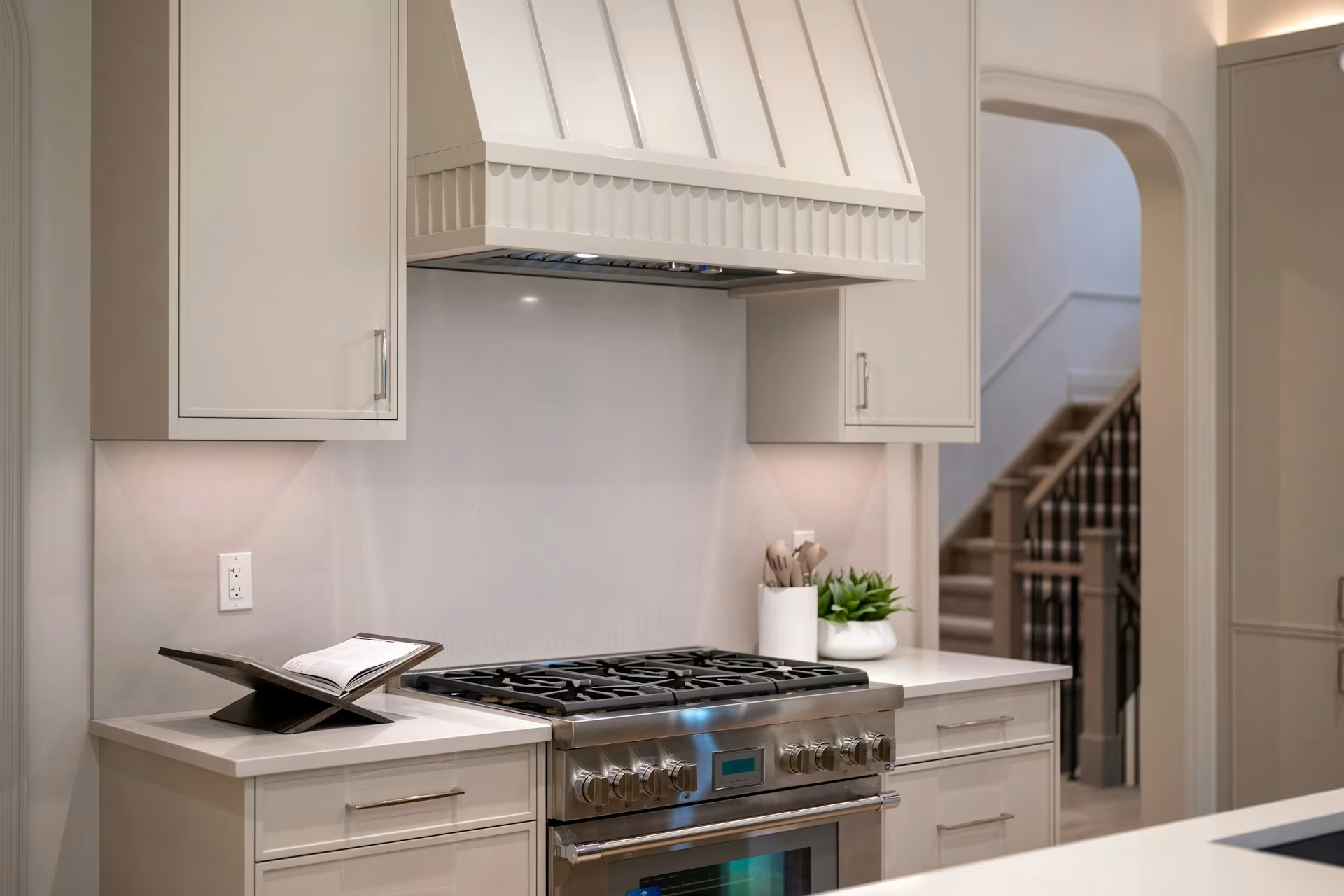
2. Kitchen Range Hoods
Low / Normal Speed (1.0 – 2.5 Sones): Quiet enough to carry on a normal conversation or listen to music while simmering sauce.
High / Turbo Boost (5.0 – 8.0+ Sones): Maximum CFM airflow meant for heavy searing or clearing smoke quickly. Expect a noticeable wind-tunnel effect.
3. Dishwashers & Refrigerators
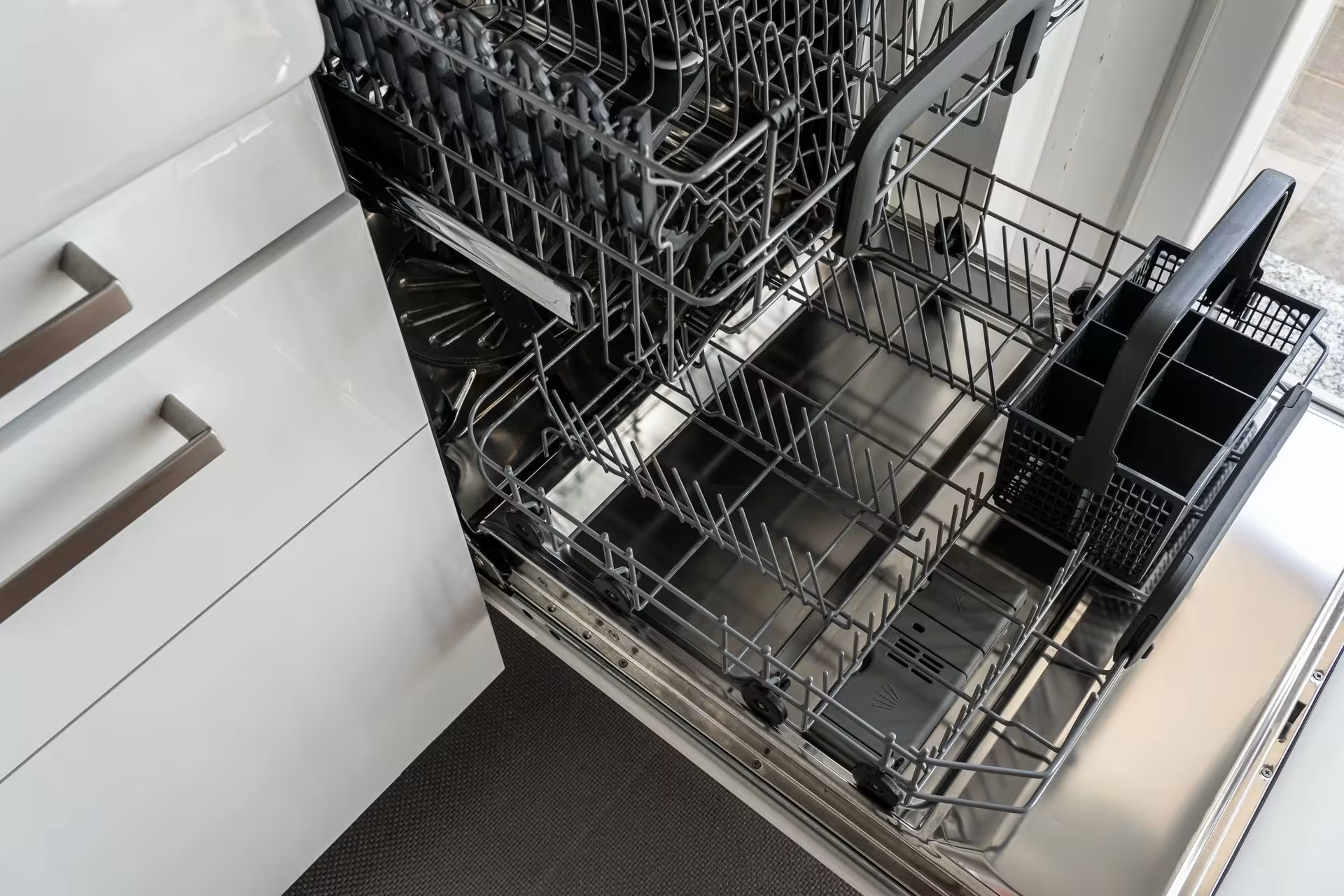
Modern Quiet Dishwashers (0.5 – 1.0 Sone / 38–44 dBA): Whispers in the background. You can comfortably watch a movie in an open-concept living room while the dish cycle runs.
Modern Refrigerators (~1.0 Sone / 38–40 dBA): The baseline standard for ambient appliance noise—a low, rhythmic compressor hum that vanishes into normal house noise.
Interior Designer’s Rule of Thumb for Sone Ratings
When designing a home’s acoustic landscape, match the sone rating to the purpose of the room:
Primary Bathroom Suite: Target < 1.0 Sone. You want silent ventilation for late-night or early-morning routines without waking anyone.
Guest Powder Room: Target 1.5 to 3.0 Sones. Believe it or not, slightly louder fans offer welcome sound masking and privacy for guests in half-baths located right off living or dining areas!
Open-Concept Kitchen: Target < 2.0 Sones on low/medium speed so cooking ventilation doesn’t overpower the surrounding living area.


About the author
Popular Categories
- No categories
Useful Links
Links I found useful and wanted to share.